Metal Building Engineering in Stone Oak, TX: A Comprehensive Overview
Introduction
Welcome to an in-depth exploration of the dynamic world of metal building engineering in Stone Oak, Texas. This article aims to guide readers through the intricacies of this specialized field, highlighting its historical growth, global impact, and the transformative potential it holds for various industries. By delving into the core components, technological innovations, and future prospects, we will uncover why metal building engineering is not just a local phenomenon but a significant contributor to modern construction and infrastructure globally.
Understanding Metal Building Engineering in Stone Oak, TX
Definition and Core Components
Metal building engineering refers to the art and science of designing, constructing, and maintaining structures utilizing metallic materials, primarily steel and aluminum. In the context of Stone Oak, Texas, this discipline involves creating durable, cost-effective, and aesthetically appealing buildings for commercial, industrial, and residential purposes. The core components include:
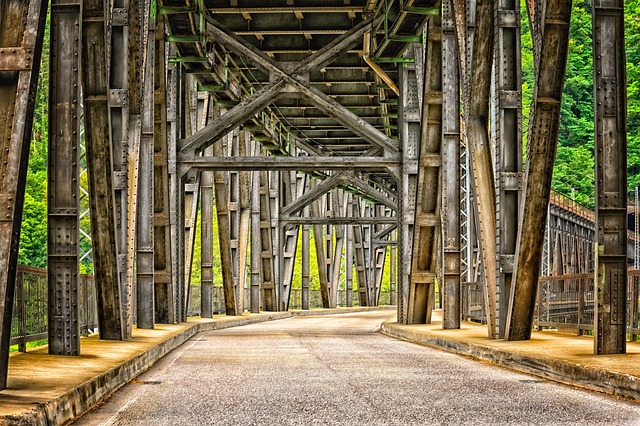
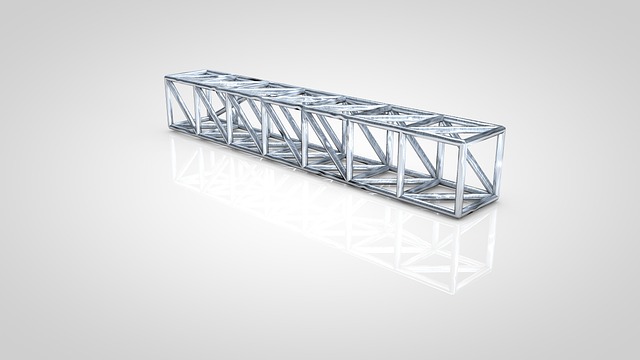
- Structural Steel: The backbone of metal building engineering, structural steel provides strength and support to various architectural elements. It is known for its versatility, enabling the creation of open spaces, expansive interiors, and unique design possibilities.
- Aluminum Panels: Lightweight yet robust, aluminum panels are a popular choice for exterior cladding and roofing. They offer excellent corrosion resistance, making them ideal for areas with high humidity or frequent rainfall.
- Insulation: Effective insulation is crucial to ensure energy efficiency in metal-framed buildings. Options include fiberglass, polyisocyanurate, and cellular glass insulation materials.
- Windows and Doors: These elements contribute to the overall aesthetics and functionality of a building. Modern metal building engineering incorporates high-performance windows and doors, offering better thermal insulation and improved structural integrity.
- Accessories: From fastening systems and connectors to rainwater management solutions, accessories play a vital role in ensuring the structural integrity and longevity of metal buildings.
Historical Context and Evolution
The history of metal building engineering dates back to the late 19th century when steel construction began to gain prominence. The Industrial Revolution played a pivotal role in this evolution, driving the demand for larger, more structurally sound buildings. Early metal structures were primarily industrial warehouses and factories, but as time progressed, the technology found its way into residential and commercial sectors.
In the mid-20th century, pre-engineered metal building systems emerged, revolutionizing construction processes. These systems offered standardized components that could be quickly assembled on-site, significantly reducing construction times and costs. This period marked a turning point, making metal buildings more accessible and appealing to a wider range of clients.
Today, with advancements in material science and construction techniques, metal building engineering has reached new heights. The focus is now on creating sustainable, energy-efficient structures that blend seamlessly with the surrounding environment, addressing the growing demand for eco-friendly building practices.
Global Impact and Trends
International Influence
Metal building engineering has transcended geographical boundaries, leaving its mark on construction projects worldwide. Its global influence can be attributed to several factors:
- Cost-Effectiveness: Metal buildings are renowned for their competitive pricing, making them an attractive option for budget-conscious developers and property owners.
- Rapid Construction: Pre-engineered metal building systems enable quicker construction times, allowing for faster project completion and reduced labor costs.
- Durability and Longevity: Metallic structures are known for their superior strength and resistance to harsh weather conditions, ensuring a longer lifespan with minimal maintenance.
Global Trends Shaping the Industry
The global metal building engineering landscape is dynamic, driven by evolving needs and technological advancements:
| Trend |
Description |
| Green Building Revolution |
There is a growing emphasis on sustainable construction practices, leading to the adoption of eco-friendly metal building systems. These include energy-efficient insulation, solar panels, and green roofing solutions. |
| Modular Construction |
Modular metal buildings are gaining popularity due to their flexibility, mobility, and quick installation. This trend is particularly notable in temporary structures for events and disaster relief efforts. |
| Smart Buildings |
Integration of Internet of Things (IoT) technology is transforming metal buildings into smart spaces. Sensors and automated systems enhance energy management, security, and overall building performance. |
| Customized Design |
Metal building engineering offers unparalleled design flexibility, allowing for unique architectural expressions. Customized structures cater to specific client requirements, from artistic installations to specialized industrial facilities. |
Regional Variations and Impact
The impact of metal building engineering varies across regions, influenced by local climates, cultural preferences, and economic factors:
- North America: Known for its advanced construction technology, North America is a hub for metal building manufacturing and innovation. The region's vast open spaces and harsh weather conditions have driven the adoption of metal buildings for agricultural, industrial, and commercial purposes.
- Europe: With a focus on sustainable construction, Europe has embraced metal building engineering as a solution for energy-efficient, low-maintenance structures. Governments in countries like Germany and the UK offer incentives for green metal building projects.
- Asia-Pacific: Rapid urbanization and economic growth in Asia have fueled the demand for affordable yet durable housing and commercial spaces. Metal building systems are being utilized to address these needs, particularly in countries like China and India.
- Middle East: The region's desert climate has led to increased adoption of metal buildings designed to withstand high temperatures and sandstorm conditions. Additionally, the construction boom in cities like Dubai showcases the versatility of metal engineering in iconic architectural structures.
Economic Considerations
Market Dynamics and Investment Patterns
The metal building engineering market is influenced by several economic factors:
- Construction Industry Growth: Global construction industry trends play a significant role in shaping the demand for metal buildings. Increasing urbanization, infrastructure development, and rising populations drive the need for efficient and cost-effective building solutions.
- Real Estate Market Fluctuations: Economic cycles impact investment patterns, influencing the decision to invest in metal buildings for commercial or residential projects. During economic booms, there is often a surge in construction activities, boosting the market.
- Government Initiatives: Many countries offer incentives and subsidies for using sustainable building materials, including metals. These policies encourage developers and property owners to adopt metal building systems, fostering market growth.
Investment Opportunities and Challenges
Opportunities:
- Affordable Housing: Metal buildings can be a cost-effective solution for providing affordable housing, addressing homelessness and housing shortages in urban areas.
- Industrial Expansion: Rapid industrialization in emerging markets creates a demand for flexible, easily expandable metal structures to accommodate growing manufacturing and warehousing needs.
- Disaster Relief and Temporary Structures: Modular metal buildings are invaluable in disaster relief efforts, providing temporary shelters and community centers during emergencies.
Challenges:
- Material Costs: Fluctuating metal prices can impact project budgets, especially for large-scale construction projects.
- Competition from Traditional Construction: Concrete and brick construction methods still dominate some markets, presenting a challenge for metal building engineers to compete on both price and design appeal.
- Site Specificities: Every construction site has unique challenges, requiring metal building engineers to adapt their designs and solutions to accommodate local conditions.
Technological Advancements
Innovating the Field
Technological advancements have been instrumental in shaping modern metal building engineering:
- Computer-Aided Design (CAD) Software: CAD systems have revolutionized design processes, allowing engineers to create precise digital models, optimize structures, and reduce potential errors.
- Advanced Material Science: New metallic alloys and composite materials offer improved strength-to-weight ratios, enhanced corrosion resistance, and better thermal properties, pushing the boundaries of what's possible in metal building construction.
- Prefabrication and 3D Printing: Prefabricated metal building systems and 3D printing technologies are streamlining construction processes, reducing waste, and enabling complex architectural designs.
- Structural Analysis Software: Advanced structural analysis tools predict how buildings will perform under various loads, ensuring safer and more efficient designs.
Future Potential
The future of metal building engineering is promising, with several technological trends set to shape the industry:
- Smart Materials: Developing smart metallic materials that can adapt to changing environmental conditions, such as self-healing concrete or shape-memory alloys, will further enhance structural performance and durability.
- Digital Twin Technology: Creating digital replicas of physical buildings allows for real-time monitoring, predictive maintenance, and enhanced building management, particularly in smart cities.
- Autonomous Construction Robots: The use of robots in construction sites can improve efficiency, safety, and precision, accelerating the metal building construction process.
- Integrated Solar Technology: Integrating solar panels into metal building designs offers a sustainable energy solution, reducing carbon footprints and long-term operational costs.
Policy and Regulation
Governance and Influence on Development
Key policies and regulations shape the landscape of metal building engineering:
- Building Codes and Standards: Local and national building codes dictate minimum design requirements, safety standards, and construction practices for metal buildings. These regulations ensure structural integrity and fire safety.
- Environmental Regulations: Many countries have environmental guidelines that influence metal building design, particularly regarding energy efficiency, waste management, and the use of sustainable materials.
- Zoning Laws: Zoning regulations control land use and building height, impacting the feasibility of metal building projects in specific areas.
- Incentives for Green Buildings: Governments worldwide offer tax breaks, grants, and subsidies to encourage the development of energy-efficient and environmentally friendly buildings, driving the adoption of green metal building practices.
Challenges and Harmonization Efforts
Ensuring uniform compliance with policies and regulations across borders presents challenges:
- Varied Regulations: Different countries and regions have distinct construction regulations, making it complex for international projects to adhere to all requirements.
- Standardization: Efforts to harmonize building codes globally are ongoing, aiming to streamline the design and construction processes for metal buildings. Organizations like the International Organization for Standardization (ISO) play a crucial role in this regard.
- Certification and Quality Control: Implementing standardized certification programs ensures the quality and safety of metal building products, fostering trust among consumers and developers.
Challenges, Criticisms, and Solutions
Overcoming Obstacles
Metal building engineering, like any construction discipline, faces several challenges and criticisms:
- Perception and Aesthetics: Metal buildings have sometimes been criticized for their industrial aesthetics, clashing with the design sensibilities of certain neighborhoods or architectural styles.
- Noise and Vibration: Construction activities involving metal structures can generate noise and vibrations, requiring proper planning and mitigation strategies to address community concerns.
- Site Preparation and Soil Conditions: Preparing sites for metal building construction can be challenging due to varying soil conditions, which may require specialized foundation designs and engineering solutions.
Proposed Solutions and Strategies
To overcome these challenges:
- Community Engagement: Early engagement with local communities, architects, and developers can help address aesthetic concerns and incorporate desired design elements into metal building projects.
- Noise and Vibration Control: Implementing advanced noise reduction techniques during construction and utilizing vibration-absorbing materials can minimize environmental impact.
- Geotechnical Engineering: Employing geotechnical experts to assess soil conditions and design appropriate foundation systems ensures the structural integrity of metal buildings, even in challenging sites.
Case Studies: Real-World Success Stories
Exemplary Applications
The following case studies highlight successful implementations of metal building engineering:
Case Study 1: The Green Warehouse Revolution
In Texas' agricultural hub, a leading food distribution company embraced sustainable practices by constructing an innovative metal warehouse. By incorporating solar panels and energy-efficient insulation, the building reduced carbon emissions and operational costs. This project earned accolades for its design excellence and environmental impact, setting a new benchmark for eco-friendly industrial facilities in the region.
Case Study 2: Modular Schools for Rural Communities
A non-profit organization partnered with metal building manufacturers to address the lack of school infrastructure in rural areas. Using prefabricated metal buildings, they quickly constructed temporary learning spaces tailored to each community's unique needs. This initiative not only provided immediate solutions but also highlighted the potential of metal buildings in disaster relief and long-term education infrastructure development.
Case Study 3: Urban Micro-Housing Project
A forward-thinking developer in Stone Oak, TX, launched a micro-housing project targeting young professionals. Utilizing modular metal building systems, they created affordable, aesthetically pleasing units that blended seamlessly into the urban fabric. This project demonstrated how metal engineering could contribute to addressing housing affordability challenges while offering modern and attractive living spaces.
Future Prospects: Looking Ahead
Potential Growth Areas
The future of metal building engineering is filled with promising opportunities:
- Smart Cities and Infrastructure: Metal buildings will play a pivotal role in developing smart cities, from interconnected transportation networks to sustainable energy solutions.
- Resilient Construction: With growing concerns about climate change, there will be an increased demand for resilient metal building structures capable of withstanding extreme weather events.
- Global Expansion: Emerging markets, particularly in Asia and Africa, present vast opportunities for metal building engineering to contribute to their rapid urbanization and infrastructure development needs.
Emerging Trends
Keep an eye out for these emerging trends:
- Biophilic Design in Metal Buildings: Integrating natural elements into metal building interiors and exteriors enhances occupant well-being and promotes a connection with nature, even in urban settings.
- 5G-Enabled Building Management Systems: The rollout of 5G technology will enable advanced real-time monitoring and control of building systems, enhancing efficiency and safety.
- Metal Buildings as Art Installations: As metal engineering advances, so does the potential for creative expression. Metal buildings are becoming canvases for artistic installations, blending architecture and art in unique ways.
Conclusion: Shaping the Future Together
Metal building engineering in Stone Oak, TX, is not just a local phenomenon but a global industry with immense potential. From its rich historical roots to cutting-edge technological advancements, this field has evolved to meet the demands of modern construction and infrastructure challenges. By embracing sustainable practices, innovative design, and strategic policy planning, metal building engineering continues to shape our built environment, ensuring durability, cost-effectiveness, and environmental stewardship.
As we look ahead, the future holds endless possibilities for this dynamic discipline. From addressing housing affordability to revolutionizing smart cities, metal building engineering will remain a cornerstone of construction, fostering progress and enhancing our quality of life. By continuing to explore, innovate, and collaborate, we can unlock the full potential of metal building technology, creating a more connected, sustainable, and resilient world.
FAQ Section: Answering Common Queries
Q: Are metal buildings as durable as traditional construction methods?
A: Metal buildings are renowned for their durability and longevity due to the inherent strength of metallic alloys used in construction. They can withstand harsh weather conditions and are less prone to damage from pests or fire compared to some traditional building materials.
Q: Can metal buildings be designed to suit various architectural styles?
A: Absolutely! Metal building engineering offers flexibility in design, allowing for a wide range of architectural styles. From modern minimalist designs to historic replicas, skilled engineers can tailor metal structures to meet aesthetic requirements while ensuring structural integrity.
Q: How do metal buildings impact energy efficiency and sustainability?
A: Metal buildings can significantly contribute to energy efficiency through proper insulation, high-performance windows, and advanced HVAC systems. Additionally, integrating solar panels or other renewable energy solutions further enhances their environmental benefits, reducing carbon footprints and operational costs over time.
Q: Are there any specific safety considerations for metal building construction?
A: Safety is paramount in any construction project. Metal building construction involves specialized equipment and techniques to ensure worker safety. Proper fall protection, noise control, and adherence to local building codes are essential to mitigate risks associated with metal building erection.
Q: Can metal buildings be easily expanded or modified after construction?
A: One of the significant advantages of metal buildings is their modularity and flexibility. They can be designed for easy expansion or reconfiguration, allowing businesses and communities to adapt to changing needs without incurring substantial costs or disruptions.